
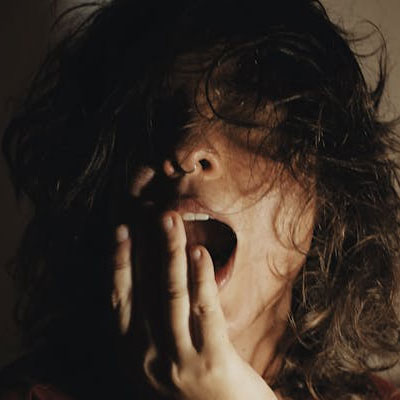
Sleep deprivation is making us sick
Sleep is no longer a natural priority in our fast-paced, always-connected world. We sacrifice it for deadlines, entertainment, and hustle culture—believing that pushing harder means achieving more. But the truth is grim: chronic sleep deprivation is steadily damaging our minds and bodies. The immune system, our first line of defense against disease, becomes severely impaired when sleep is lacking. Inflammation increases. The body’s ability to fight infections declines. Memory, focus, and decision-making falter after just one bad night. Over time, sleep deprivation is linked to mental disorders such as depression, anxiety, and even dementia. It also destabilizes hormone levels, disrupting mood, hunger, and metabolism. Without enough sleep, our bodies function in a state of physiological stress. Sleep is not rest—it is recovery, regulation, and repair. Skipping it may not feel immediately dangerous, but the consequences accumulate silently. You may feel invincible in your twenties, but chronic sleep loss will catch up—with effects ranging from premature aging to heart disease.
How to Protect Your Sleep Health?
Prioritizing sleep isn’t a sign of weakness—it’s a commitment to your long-term health, productivity, and emotional well-being. The science is clear: sacrificing sleep may seem harmless in the short term, but over time, it chips away at the very foundation of your health. From your immune system to your heart, your brain to your metabolism—every major system in your body relies on adequate, quality rest to function properly. It’s time to stop treating sleep as negotiable. If you’re struggling to establish a healthy sleep routine or want to understand how to improve your sleep hygiene, explore practical resources and expert guidance at getyusleeps.us. Because the real power move isn’t burning the midnight oil—it’s reclaiming your nights for rest, recovery, and resilience.