
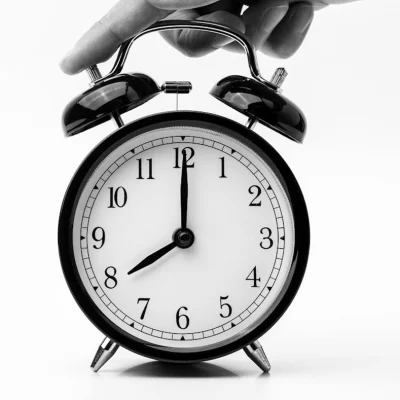
One hour of sleep or none at all?
If you’re deciding between getting one hour of sleep or staying up all night, one hour of sleep is generally better than none. Even a short period of rest allows your brain to begin the recovery process, supporting memory, mood, and basic cognitive function. While it’s not enough to complete a full sleep cycle, one hour may still offer some physical and mental benefits, especially compared to total sleep deprivation. Sleep, even in small doses, can help boost your immune system and reduce the risks associated with prolonged wakefulness.
However, in certain situations—such as needing to be alert immediately after waking—getting no sleep might leave you feeling more functional than waking from deep sleep during a 1-hour nap, which can cause sleep inertia (grogginess). In those cases, a 20–30 minute power nap may be more effective. Overall, if you have the option, choose at least a short nap or one hour of rest, and aim to recover with proper sleep as soon as possible.